Analyzing the Business Models of Free-to-Play Sports Games
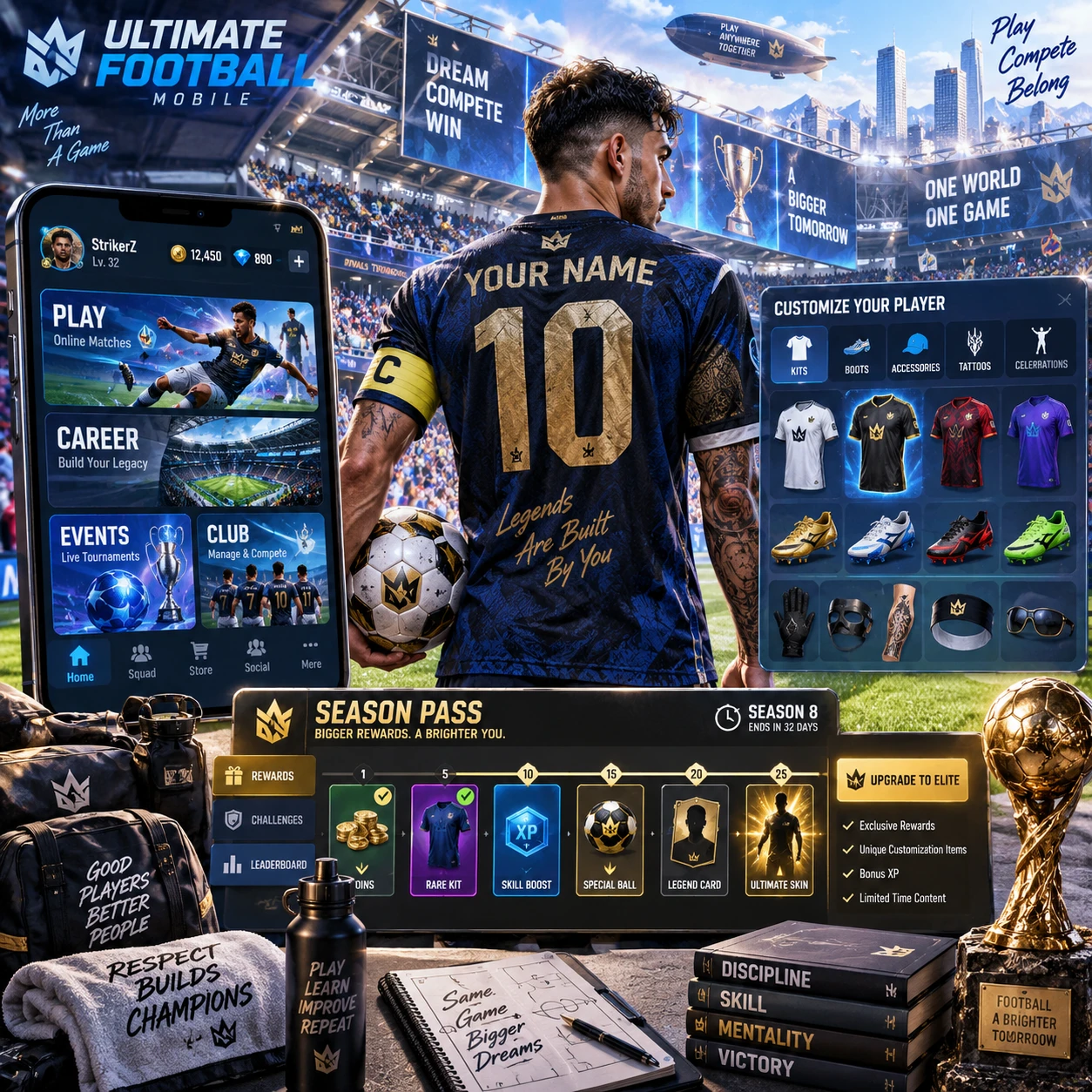
Free-to-play sports games invite players onto the virtual pitch, court, or track without an upfront purchase. Their business model depends on optional spending and other revenue sources that can keep the game running, while giving players different ways to engage. Understanding how those parts work helps you judge whether a game offers fair value or nudges you toward purchases you do not need.
What Makes a Sports Game Free-to-Play?
A free-to-play (F2P) sports game lets players download and play its core experience without paying an entry fee. Revenue comes from optional paid content or services, so free access does not necessarily mean every feature or item is free.
Depending on the game, the core offer might include matches, basic teams, career activities, or online play. Paid content could add cosmetic items, new ways to progress, or convenience features. Some games also use advertising or sponsorships. The exact mix varies, so check what is available at launch and whether key modes require payment.
F2P lowers the barrier to trying a game, which can help build a large player community. The trade-off is that the developer needs sustainable revenue after that first download. A well-designed model keeps purchases optional; a less comfortable one can make progression feel slow or repeatedly interrupt play with offers.
The Main Revenue Streams
Free-to-play sports games commonly earn money through in-game purchases, season passes, advertising, and sponsorships. Each stream supports development in a different way and creates a different trade-off for players.
In-game purchases and microtransactions let players buy individual items or bundles using real money or virtual currency. These may include uniforms, celebrations, player cards, or other content. Small prices can feel easy to dismiss, but repeated purchases add up, especially when a game presents frequent limited-time offers.
Season passes offer a set of rewards tied to a season or progression track. A free track may sit alongside a paid one, with rewards unlocked through play. This gives players a clearer list of what they will receive than a random item purchase, but the value depends on whether they play enough to claim the rewards before the season ends.
Advertising and sponsorships can include video ads, branded events, or sponsored signage in a virtual stadium. These provide another source of income without requiring every player to buy items. However, intrusive ads can disrupt matches, while brand placements may be less noticeable but still shape the presentation.
These streams can coexist. A game might offer optional cosmetics, a paid season pass, and sponsor-backed tournaments. That mix spreads revenue sources, though players should still assess each offer on its own rather than assuming a purchase is necessary.
Virtual Currencies, Cosmetics, and Progression
Virtual currency gives players an in-game way to buy content, while cosmetic items change appearance and progression systems reward continued play. Together, these features can make spending feel convenient and give players reasons to return.
Games may sell currency in bundles or award some through matches and challenges. A player might use it to buy a new kit, stadium look, celebration, or player item. When prices are shown in a virtual currency rather than a direct cash amount, it can be harder to judge the real cost. Before purchasing, check the currency bundle price and calculate what the item costs in your local currency.
Cosmetic items usually affect appearance rather than match performance, making them a lower-risk form of monetization for competitive fairness. Still, cosmetics can carry social value: a rare uniform or seasonal celebration can signal status or participation. That can make an optional purchase feel more important than its effect on gameplay would suggest.
Progression rewards create a different incentive. A game may offer currency or items for completing daily challenges, playing ranked matches, or advancing through a season pass. These goals can add structure, but they can also turn leisure into a checklist. Decide which rewards genuinely improve your experience and which are simply designed to keep you logging in.
Live Services and Player Retention
Live-service updates keep a free-to-play sports game active with new content, events, balance changes, and competitive seasons. These updates support player retention by giving people fresh reasons to play after launch.
A live-service game may rotate challenges, introduce themed events, update rosters, or add new cosmetics. Competitive modes can be especially important: ranked ladders and tournaments encourage repeat play, while matchmaking helps players find opponents. Regular updates can keep a sports title feeling current, but they also create ongoing operating costs and expectations for the developer.
There is a tension between healthy engagement and pressure. A short event can make the game feel lively; a reward that disappears after a narrow window can make players feel they must log in on the developer’s schedule. A useful test is whether an event remains enjoyable if you skip it. If missing a week makes your team or account feel permanently behind, the retention design may be leaning too heavily on urgency.
For players, the best live-service features add variety without making everyday play feel like unpaid work. For developers, consistent updates can help maintain an active community, but they must be balanced against development capacity and fair access to rewards.
Balancing Monetization and Fair Play
Monetization supports a free-to-play sports game without harming fair play when purchases do not give an overwhelming competitive advantage and prices are presented clearly. The key questions are what a purchase changes, how much it costs, and whether players can compete without it.
Cosmetic purchases generally create less competitive concern than items that improve a team or accelerate access to powerful players. But the label alone does not settle the issue: a game can make a cosmetic seem essential through social pressure, and a progression purchase can still affect how quickly players become competitive.
Look for clear odds and item descriptions when purchases involve randomized rewards, as well as spending limits and parental controls where available. The U.S. Federal Trade Commission’s guidance on dark patterns describes interface practices that can steer consumers into choices they may not intend to make. That context is useful when evaluating countdowns, confusing currency bundles, or purchase flows that make it difficult to decline.
Developers face a real trade-off: revenue from performance-affecting purchases can be tempting, yet perceived pay-to-win mechanics may weaken trust and discourage players who cannot or do not want to spend. A healthier design makes the competitive rules understandable and keeps a credible path to progression through play.
Free-to-Play Games and Sports Betting: A Clear Distinction
In-game purchases are payments for digital game content, while sports betting involves staking money or something of value on an uncertain sporting outcome. They are different activities, even when they appeal to overlapping sports audiences.
Buying a virtual uniform, season pass, or player item does not by itself constitute a sports wager. Sports betting involves a stake and a potential outcome-based return, and its legality and age requirements vary by location. A sports game may feature real teams, athletes, or sponsor brands without being a betting product.
Some games include randomized rewards, which can resemble a chance-based purchase experience, but that does not make every microtransaction sports betting. Rules differ by jurisdiction and product design. Players should check the game’s terms, local regulations, and any age restrictions rather than assuming that all digital purchases are treated alike.
For parents and players, keep the categories separate when discussing spending. Set a budget for game content, and treat any wagering product as a distinct service with separate risks, rules, and safeguards. This article explains game monetization; it is not betting advice.
What Players Should Consider
Before spending in a free-to-play sports game, check the real price, the gameplay effect, and whether the offer expires. A few quick checks can help you decide if an item or pass is worth paying for.
- Calculate the cash cost. Convert virtual currency into a real-money amount, including any unused balance left over after the purchase.
- Check the competitive effect. Ask whether the item is cosmetic, a convenience, or a direct gameplay advantage. Consider whether non-paying players have a reasonable route to similar progress.
- Review season-pass timing. Look at the end date and estimate how often you will realistically play. Do not pay for a reward track just because it is already underway.
- Set spending controls. Use platform purchase approvals, account limits, or a monthly budget, particularly on shared devices and children’s accounts.
- Pause on urgency cues. A countdown or limited-time bundle is not proof of good value. Compare the offer with what you actually want from the game.
Free-to-play sports games can provide substantial play without a purchase, while optional spending helps fund updates and services. The model is easiest to evaluate when you separate access, convenience, cosmetics, and competitive power. If the game remains enjoyable without spending, and the costs are clear when you choose to buy, its business model is doing a better job of respecting the player.